TrackingTech: a real‑time last‑mile operations platform for faster, more reliable deliveries
We helped TrackingTech unify shipment visibility, driver workflows, warehouse validations, and proof‑of‑delivery— so courier teams can dispatch faster, reduce exceptions, and keep customers informed in real time.
Deliverables: Product UX, web app, tracking portal
Domain: Last‑mile logistics
Overview
>>
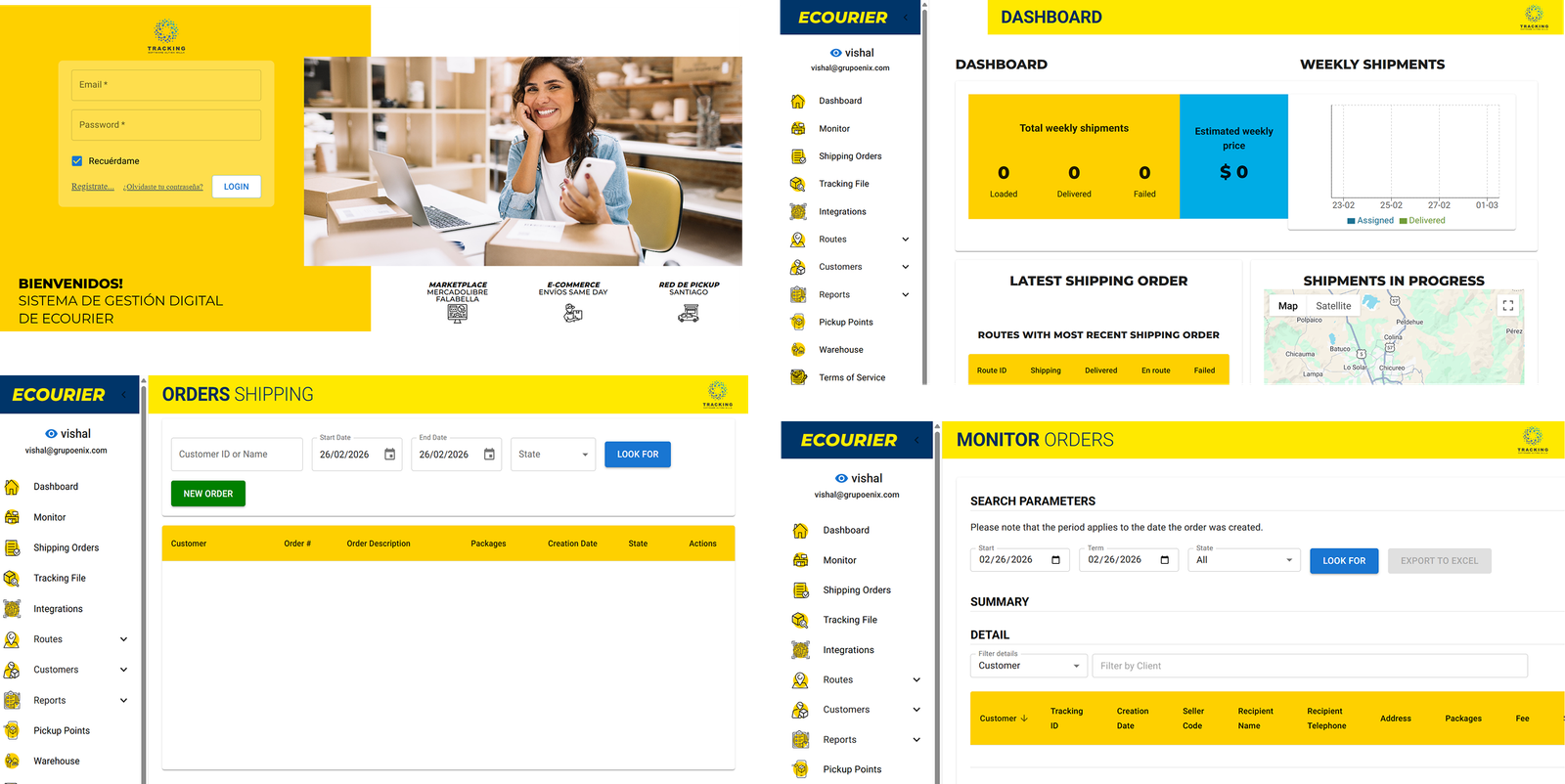
TrackingTech is designed to help last‑mile teams coordinate pickups, deliveries, validations, and monitoring from one ecosystem. The solution supports multiple operational roles (drivers, warehouse teams, supervisors/admin) with the workflows each role needs, without forcing operations to switch between different tools.
Public-facing tracking is available via an online “Seguimiento” (tracking) portal where end customers can enter a tracking ID and see shipment progress and proof photos.
Introduction
>>
What TrackingTech needed
One system for all operational roles
Last‑mile organizations often run fragmented workflows across WhatsApp, spreadsheets, separate driver apps, and manual customer updates. TrackingTech’s goal was to bring drivers, warehouses, supervisors, and admins into one consistent operational system.
One system for all operational roles
Last‑mile organizations often run fragmented workflows across WhatsApp, spreadsheets, separate driver apps, and manual customer updates. TrackingTech’s goal was to bring drivers, warehouses, supervisors, and admins into one consistent operational system.
Challenges
>>
At a glance
Here are the operational problems we solved during the delivery platform build & optimization.
01
Operational visibility
Teams needed a clear, real‑time view of shipments, routes, and exceptions across drivers and warehouses.
02
Proof‑of‑delivery consistency
Digital signatures, photos, and delivery events had to be captured reliably and surfaced in tracking and dashboards.
03
Role‑based workflows
Drivers, warehouse operators, supervisors, and admins each needed different screens, permissions, and actions—without complexity.
Solutions Blueprint >>
What Lumestea delivered
Here are the operational problems we solved during the delivery platform build & optimization.
Unified last‑mile workflows
We structured the platform around the shipment lifecycle: intake, validation, dispatch, route execution, proof‑of‑delivery, and reporting—so every action is traceable and measurable.
Shipment tracking + customer visibility
Warehouse validation and handoffs
Dispatch-ready status and exception queues
Driver & warehouse enablement
We supported key field workflows: scanning/validation, optimized routing, delivery capture, and instant status updates to keep ops aligned and customers informed.
Pickups + receiving packages
Route execution with navigation
Signature/photo POD capture
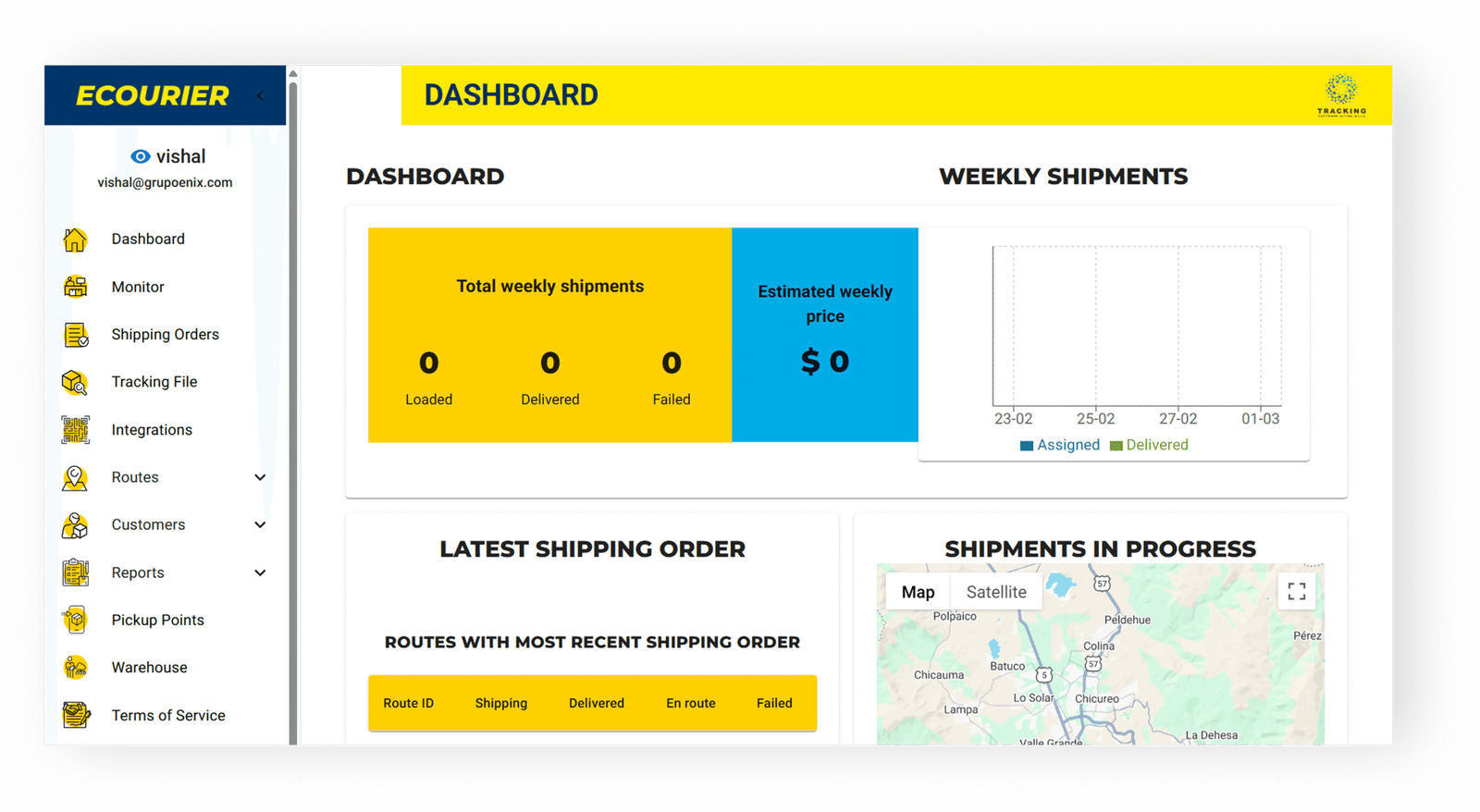
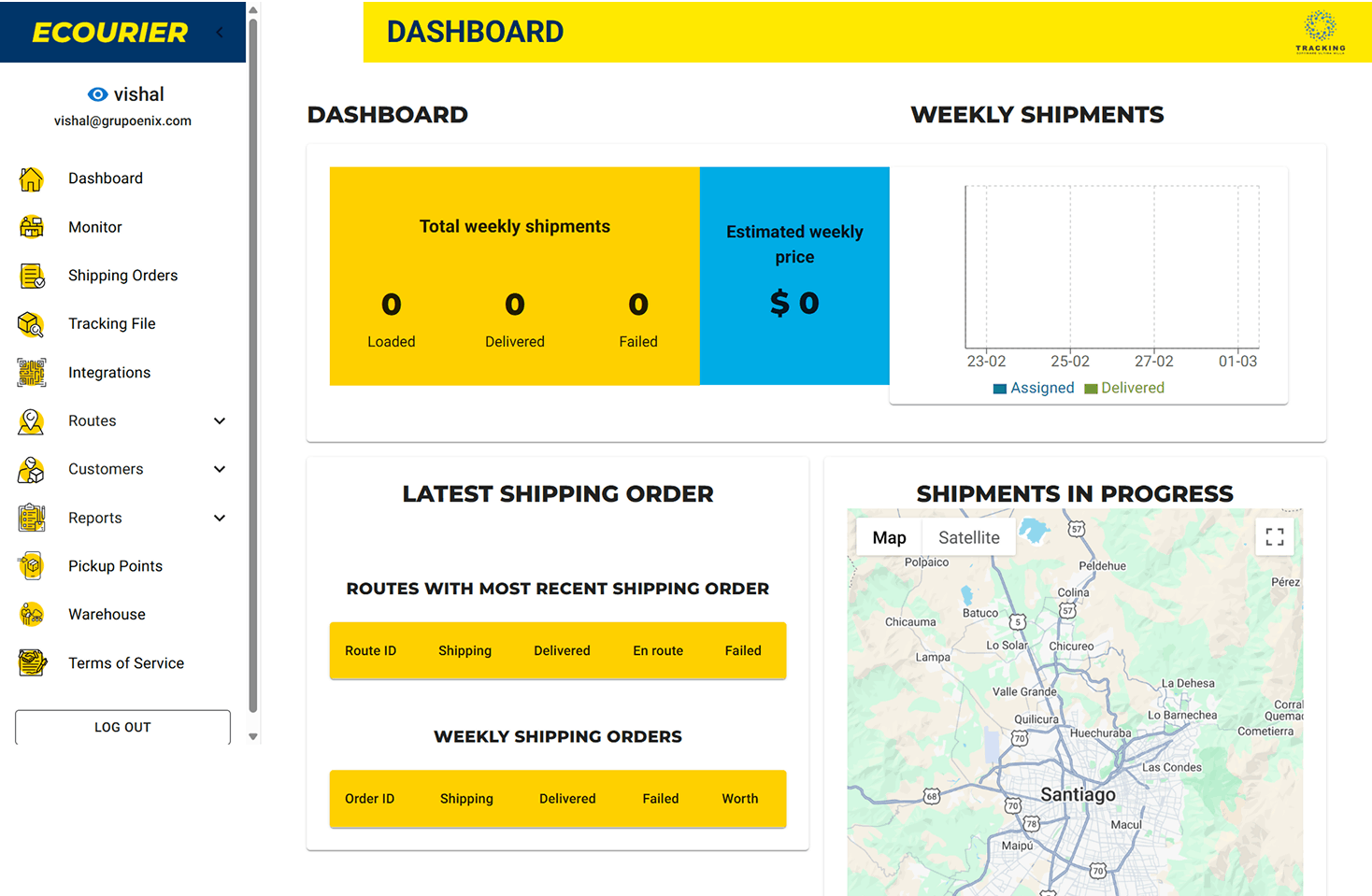
Real‑time monitoring & dashboards
Supervisors and admins gained a live view of progress and performance with quick operational actions like reassignment, modifications, and status corrections when exceptions occur.
Pickups + receiving packages
Route execution with navigation
Signature/photo POD capture
Customer-facing tracking portal
We implemented a simple public tracking experience: users enter a tracking ID, view progress events, and access delivery proof.
Screens & UX
>>
UX snapshots
These are clean, lightweight mock visuals so the page looks complete. Replace them with real screenshots from TrackingTech for a production portfolio page.
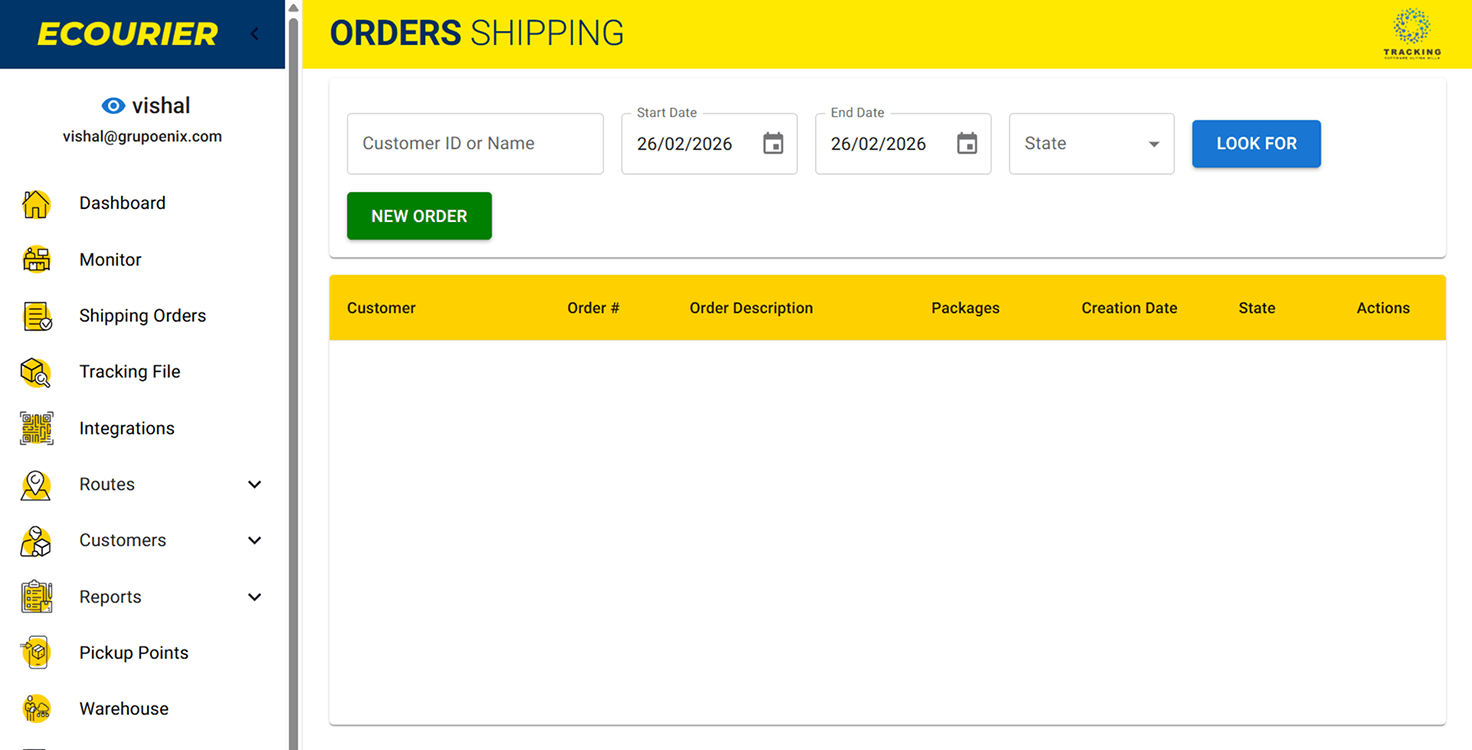
Tracking portal
Customers enter a tracking ID to see shipment progress.
Dispatch dashboard
Routes, SLA risk, exceptions, and quick actions.
Proof of delivery
Signature + photo capture tied to shipment events.
Results & Impact
>>
Operational outcomes
Use the KPI blocks below as a “portfolio-style” snapshot. Swap XX% with real numbers from your analytics / ops reports.
Dispatch time reduced
XX%
Fewer manual steps & faster route readiness.
Support tickets reduced
XX%
Customers self‑serve via tracking visibility.
Dispatch time reduced
XX%
Fewer manual steps & faster route readiness.
What changed for operations
Clear ownership: each role sees what to do next.
Fewer missing updates: events are captured at source.
Better exception handling with visible queues and actions.
More trust: customers can see progress and delivery proof.
What changed for end customers
Simple tracking ID search.
Progress events in one place.
Proof photos available when captured.
Faster resolution when an issue occurs.
Delivery Process
>>
How we ship fast
A simple process block that your UI/UX team can reuse in other case studies.
01
Discovery + workflow mapping
Conducted stakeholder workshops, user interviews, competitor benchmarking, and produced a detailed product requirements document. Defined user personas, information architecture, and core user flows.
02
UX wireframes → UI system
A component-driven UI kit ensured consistency across dashboards and mobile-like flows.
03
Build + validate with real ops data
We validated event accuracy (statuses, POD, exceptions) with real operational scenarios.
04
PROACTIVE ALERT ENGINE
A rules-based alert system that monitors 12 risk indicators (deadline proximity, load spike, skill gaps, leave overlaps) and surfaces actionable notifications before problems occur — not after. Managers receive Slack pings and in-app banners with one-click remediation suggestions.
05
Launch + optimize
We monitored adoption, fixed edge cases, and refined dashboards for faster decision-making.
Want a TrackingTech‑style platform for your logistics or marketplace?
Tell us your workflow and scale goals. We’ll respond with a delivery plan, timeline, and clear milestone-based quote.